
China Haus
With a long history, the Chinese food culture has evolved greatly with time. It forms an integral part of the country.
Upon detailed examination, one could see that the Chinese food revolves around three significant factors, which includes color, taste, and fragrance. A Chinese table can have an assortment of plain as well as colorful dishes.
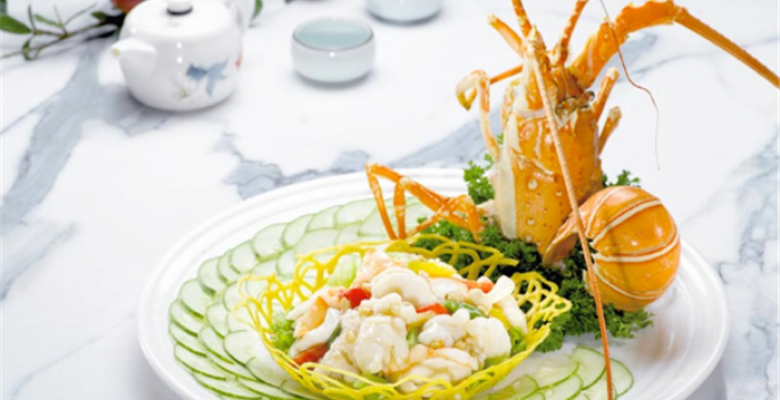
Welocome To Our
Delicious Chinese Food
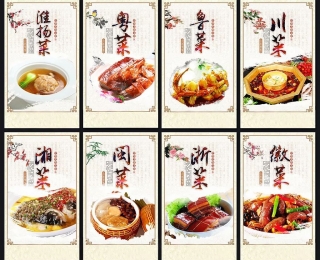
As early as the Shang Dynasty (17th century BC – 1046 BC) and Zhou Dynasty (1046 – 256 BC), China’s dietary culture has taken shape. In the Tang Dynasty (618 – 907 AD) and Song Dynasty (960 – 1279 AD) , the northern and southern food already had their own characteristics: generally sweet in south and salty in north. By the early Qing Dynasty (1644 – 1911 AD), four most influential cuisines prevailed. What are the four main styles of Chinese cuisine at that time? They are cuisines of Shandong, Sichuan, Guangdong and Jiangsu respectively. By the end of the Qing Dynasty, the four new cuisines – Zhejiang cuisine, Fujian cuisine, Hunan cuisine, and Anhui cuisine appeared; together with former four cuisines, they were listed as “8 Chinese Cuisines”.
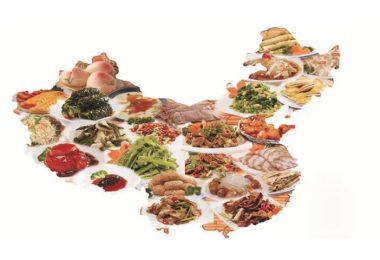
Popular Food
8 Chinese Cuisines
The Perfect Offer For You
SUPREME
The modern Eight Cuisines of China are Anhui (徽菜; Huīcài), Guangdong (粤菜; Yuècài), Fujian (闽菜; Mǐncài), Hunan (湘菜; Xiāngcài), Jiangsu (苏菜; Sūcài), Shandong (鲁菜; Lǔcài), Sichuan (川菜; Chuāncài), and Zhejiang (浙菜; Zhècài) cuisines.
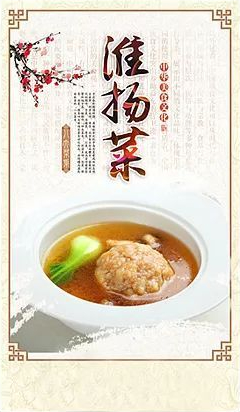
Chinese: 江苏菜, 苏菜, sū cài
Popular in: China’s Jiangsu Province
Features: umami, mild, slightly sweet, and natural; exquisite cuttings and precise control of heat; delicate dish appearance
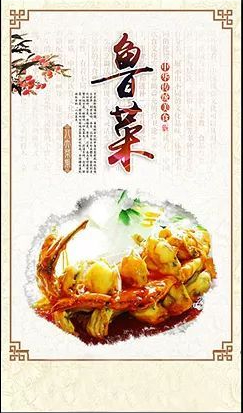
Chinese: 粤菜 yuè cài
Popular in: China’s Guangdong Province, Hong Kong and Macau
Features: mild, fresh and natural taste; widely use of materials and rich cooking methods
Chinese: 鲁菜 lǔ cài
Popular in: China’s Shandong Province and Southern Liaoning Province
Features: umami, salty, sweet and sour flavors; using much soup, scallion, ginger and garlic; good at cooking sea food
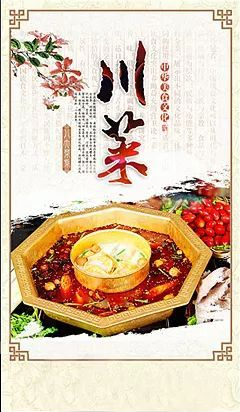
Chinese: 川菜 chuān cài
Popular in: China’s Sichuan Province, Chongqing
Features: hot and spicy, mouth-numbing; using a lot of pepper, chili, garlic, and Pixian bean chili paste.
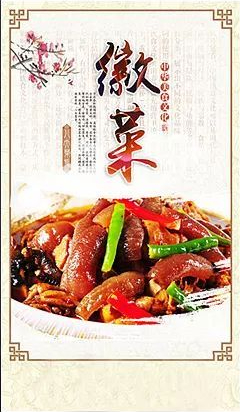
Chinese: 徽菜 huī cài
Popular in: China’s Anhui Province
Features: salty and fresh, light, preserving the original flavor of ingredients; preference for hams; light cooking methods including braising, stewing and steaming
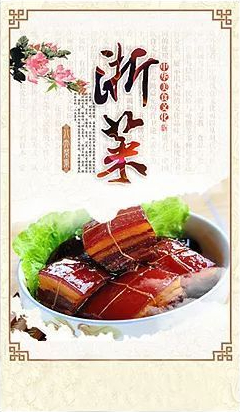
Chinese: 浙菜 zhè cài
Popular in: China’s Zhejiang Province
Features: light and fresh, crisp and tender; good at controlling fire heat; prefer yellow wine as special seasoning
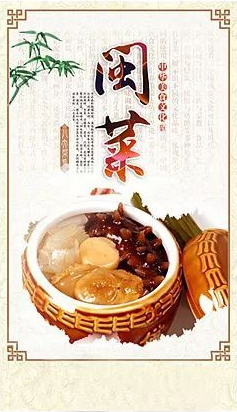
Chinese: 闽菜 mǐn cài
Popular in: China’s Fujian Province
Features: light, fresh, sweet and sour; special condiment red vinasse; woodland delicacies and sea food widely used for ingredients
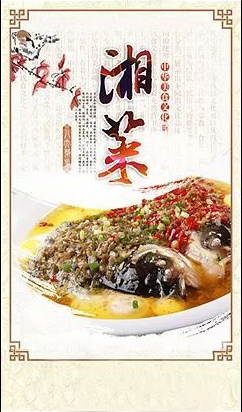
Chinese: 湘菜 xiāng cài
Popular in: China’s Hunan Province
Features: spicy, hot, salty; preference for chili & fermented soya beans; dark dish color
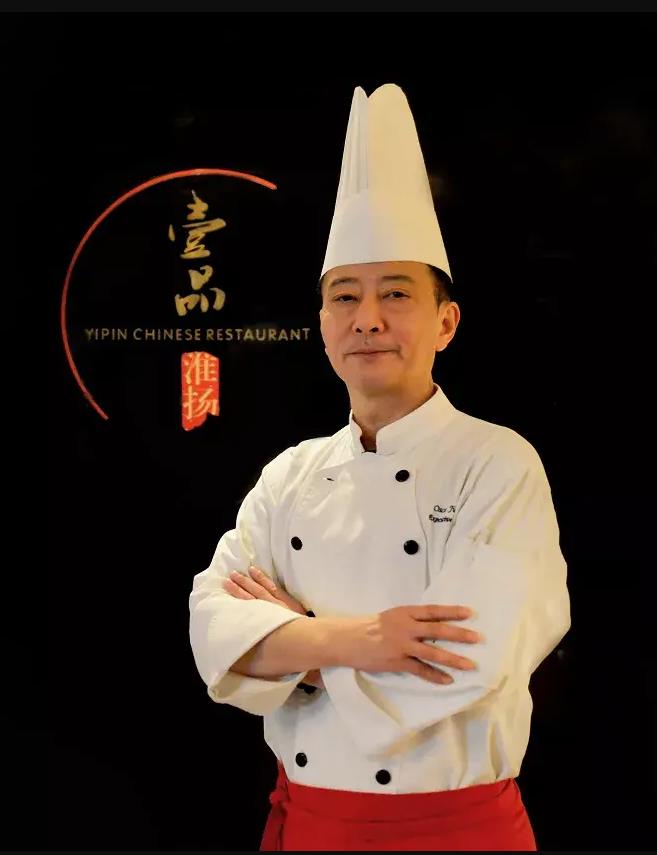
蒋应荣
5/5
“自恋而自觉是道德的,我不会否认淮扬菜就是我的安身立命之本,称不上伟大,只是有些斤两而已,它承载着我的前半生,支撑了我的家庭,生活以及未来的老有所依……”谈起淮扬菜之于自己的意义,蒋应荣没有居高临下的名厨姿态,也没有天高海阔的感慨,有的只是千帆过尽的一点了悟,这份为人的诚实渗透在他 40 年从厨生涯的点滴,积累起一份深沉的爱与责任——用蒋师傅自己的话说,便是“厨德”与“厨心”。
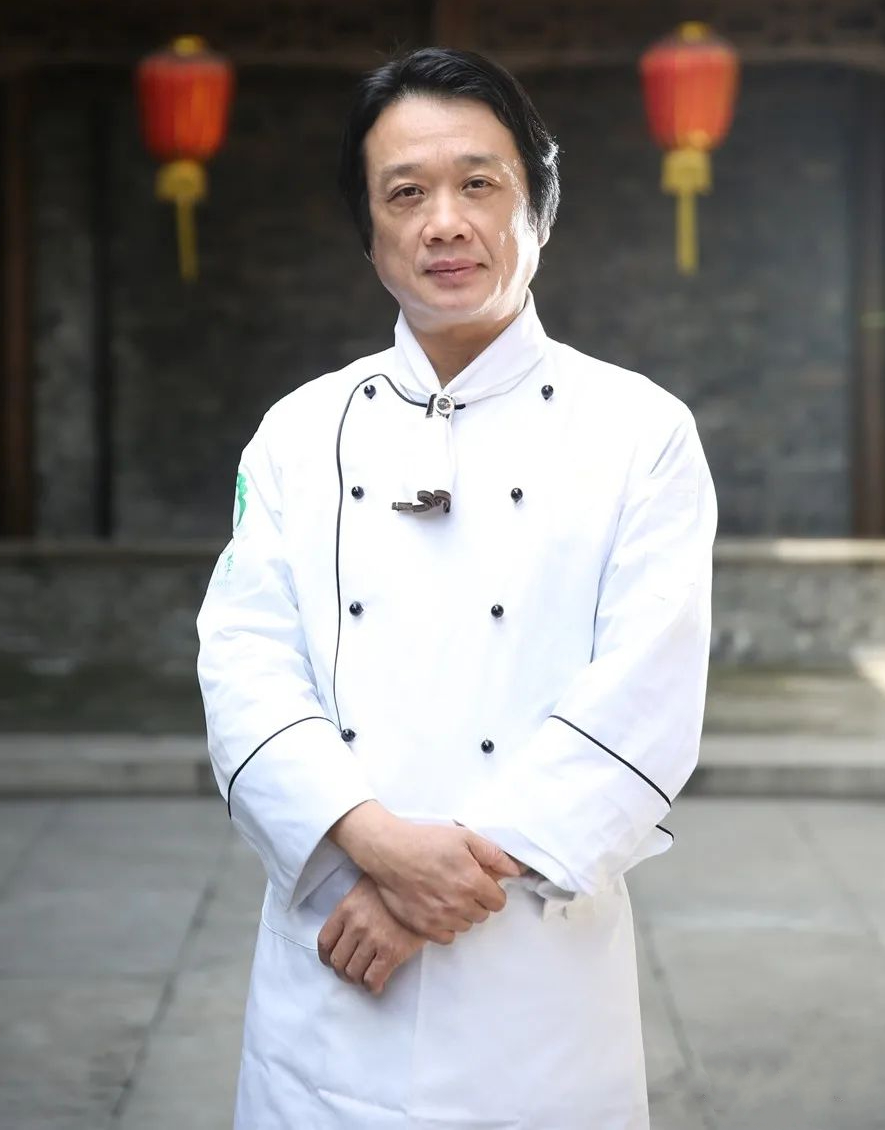
周晓燕
5/5
2006年,周晓燕收下首批徒弟,到如今,“周家军”弟子共有48人,大多活跃在中国餐饮行业一线。他们中有技艺精湛的淮扬菜烹饪大厨、从事餐饮管理和菜品设计的专业人士,以及培养烹饪专业人才的烹饪专业教师,其中不少来自餐饮行业顶级大师的引荐、推荐。侯新庆、郭长彬、戚双喜、陈万庆、陶晓东、洛扬、吴松德等名厨、知名职业经理人、菜品设计师等都是“周家军”成员。
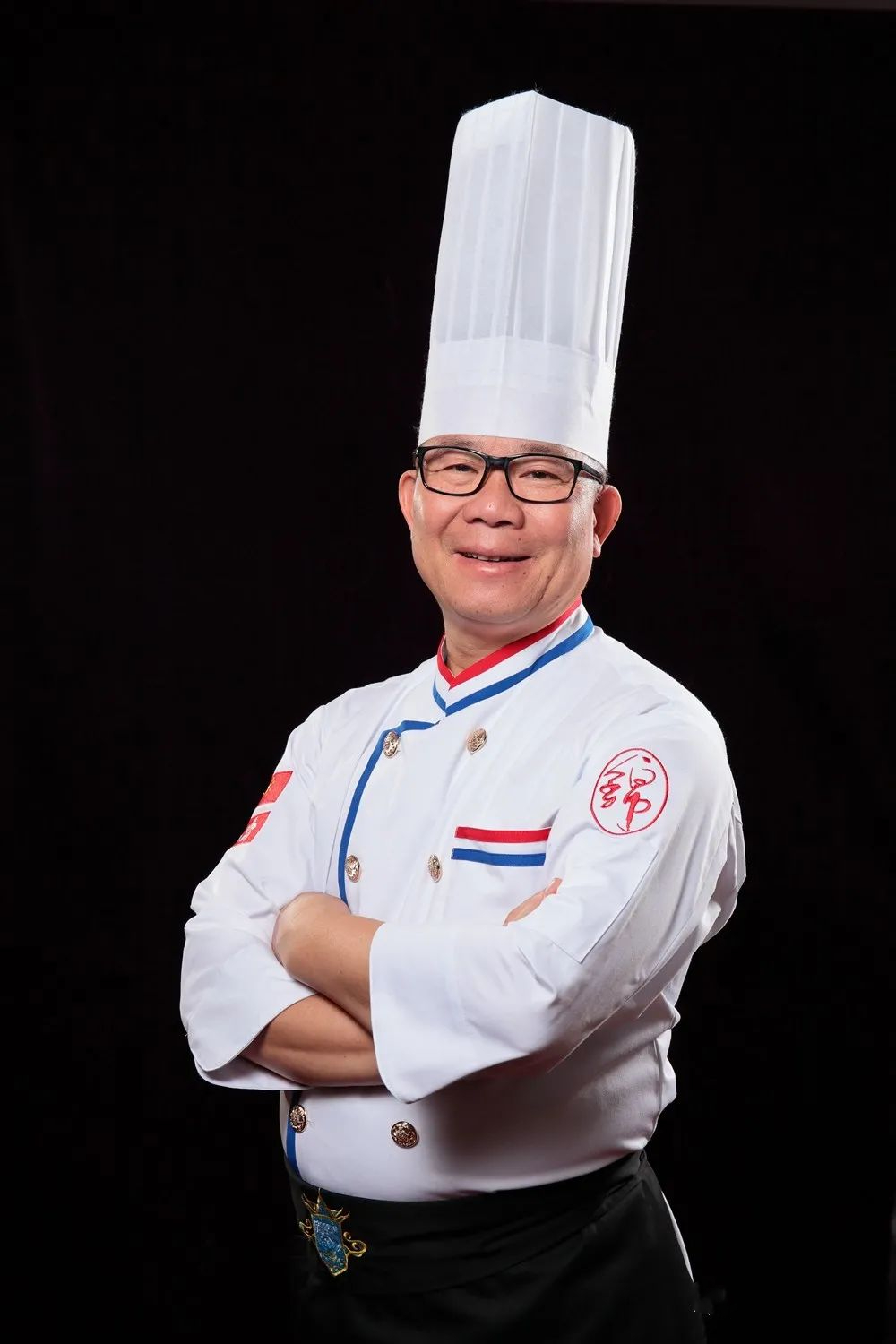
欧锦和
5/5
2014年,欧锦和成立锦家班,并举行第一次授徒仪式。他不收拜师费,师徒之间交换“利是”即红包,他给徒弟们的红包中有几种不同国家的货币,分别代表他工作过的地方,同时也代表着期待徒弟们都拥有国际视野。
Customer Say
Testimonal

George Lee
Margarita Pizza
There are many variations of passages of Lorem Ipsum available, but the majority have suffered by injected humour.

George Lee
Margarita Pizza
There are many variations of passages of Lorem Ipsum available, but the majority have suffered by injected humour.